Digitalizing Nickel Mining & Smelter Labs: XRF & ICP Integration with LIMS
A practical guide to digitalizing Indonesian nickel mining and RKEF/HPAL smelter laboratories by integrating XRF, ICP, balances, and furnaces with Labcentric LIMS.

A practical guide to digitalizing Indonesian nickel mining and RKEF/HPAL smelter laboratories by integrating XRF, ICP, balances, and furnaces with Labcentric LIMS.
CLARA is a state-of-the-art AI ecosystem designed to transform industrial laboratory operations into a data-driven, autonomous environment. This guide outlines the core analytical engines that empower teams to achieve excellence in quality, safety, and efficiency.
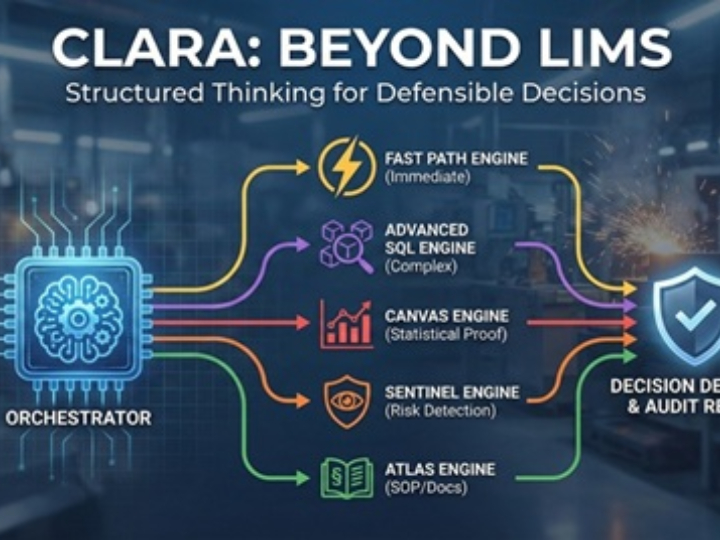
In many industrial laboratories, data is never the problem. Spectrometers continuously generate results, furnaces record temperatures, tapping and holding times are logged, LIMS systems run smoothly, and reports are produced on schedule. From the outside, everything appears under control.
The problem lies elsewhere.
It begins when analysis results are questioned.
Why was this heat classified as NG?
Why was this correction applied?
Why is one shift being questioned while another is not?
At that moment, what is needed is not another chart, but a clear and defensible explanation.
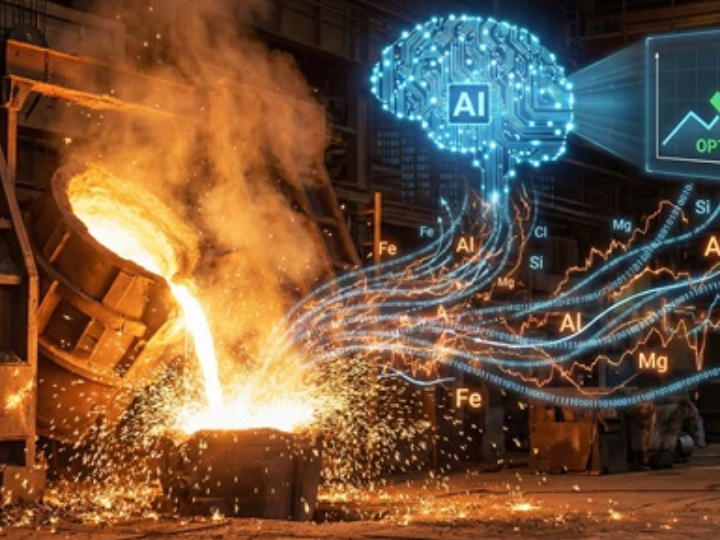
The foundry industry is entering the fastest transformation phase in the last 50 years. Casting quality requirements are becoming tighter, material variations more complex, and the pressure for production efficiency continues to rise. In the middle of these challenges, data is becoming the most valuable asset—yet also the most difficult to harness.
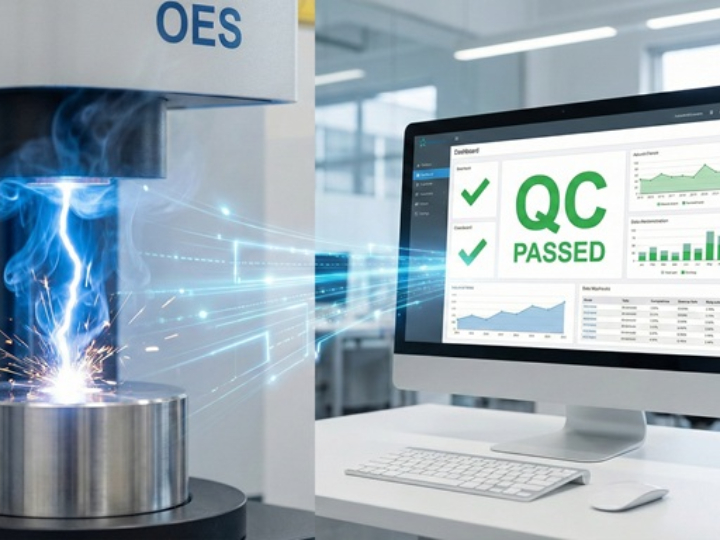
Many aluminium foundries struggle with high reject rates and unstable Magnesium levels because their OES and furnace data are not integrated. This article explains how connecting these machines to a unified LIMS can transform QC from reactive to predictive, prevent overheating, and significantly reduce composition variation. With automated data flow, foundries improve production efficiency while ensuring the traceability needed for demanding Japanese audits.
Labcentric LIMS is a modern laboratory management system integrating ERP, SCADA, and AI to automate data workflows and enhance quality control. With modules like the LIMS Stick and Clara AI, Labcentric empowers laboratories and industrial plants to improve efficiency, accuracy, and decision-making speed.
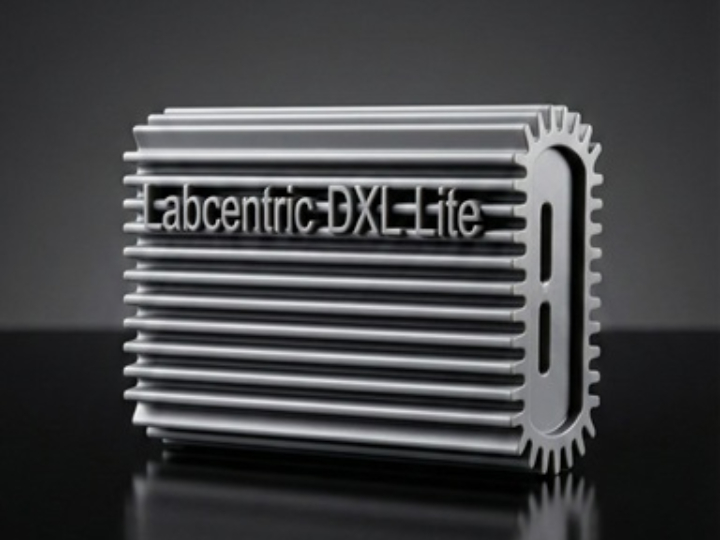
Upgrade your Thermo Scientific Niton DXL with Labcentric DXL Lite. Automatically print gold analysis receipts via Bluetooth and share results to WhatsApp without a laptop. Learn more!
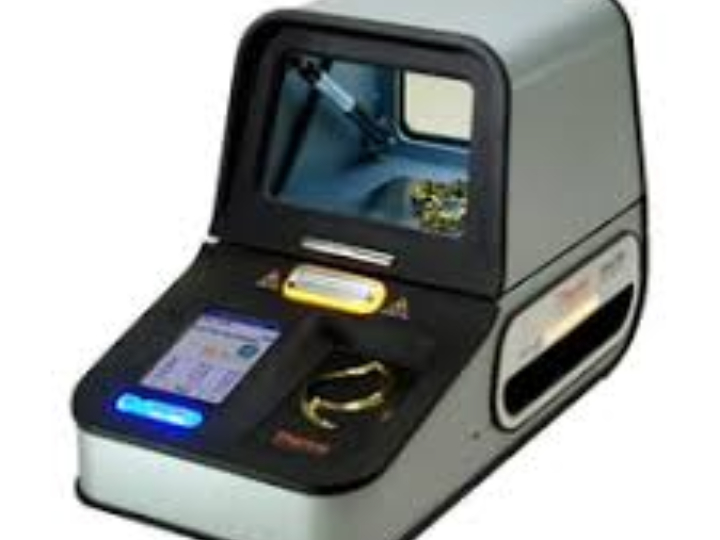
Just to print a simple analysis result, you have to connect cables to a laptop, boot up software, manually transfer data, and then print. If a customer asks for the result to be sent to their phone, you often have to type it out manually. It’s complicated, time-consuming, and leaves your customers waiting. For a device worth thousands of dollars, the workflow shouldn't feel stuck in the 90s.
The good news? There is now a simple way to "unlock" your Niton DXL’s true potential without buying a new unit.
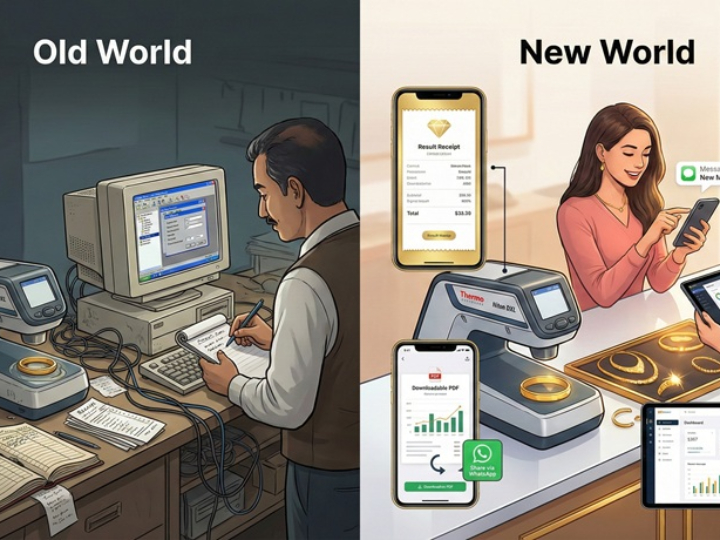
Labcentric DXL Lite arrives as a practical solution—capturing Niton DXL data in real-time and transforming it into a web interface, PDFs, and professional receipts ready to share.
This article highlights the clear comparison between the old world (without Labcentric) and the new world (powered by Labcentric DXL Lite).
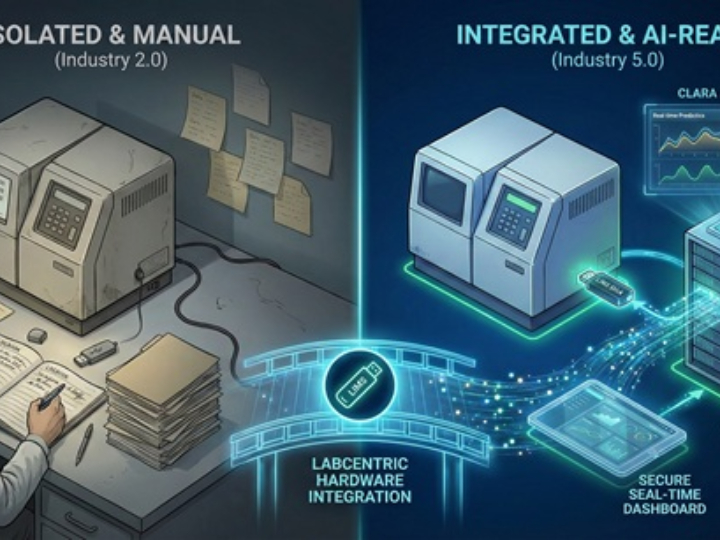
Labcentric bridges the gap to Industry 5.0 through innovative hardware integration solutions that connect isolated laboratory instruments directly to centralized data systems. This approach secures data integrity and regulatory compliance by eliminating human error, effectively laying the necessary groundwork for advanced analytical AI implementation.
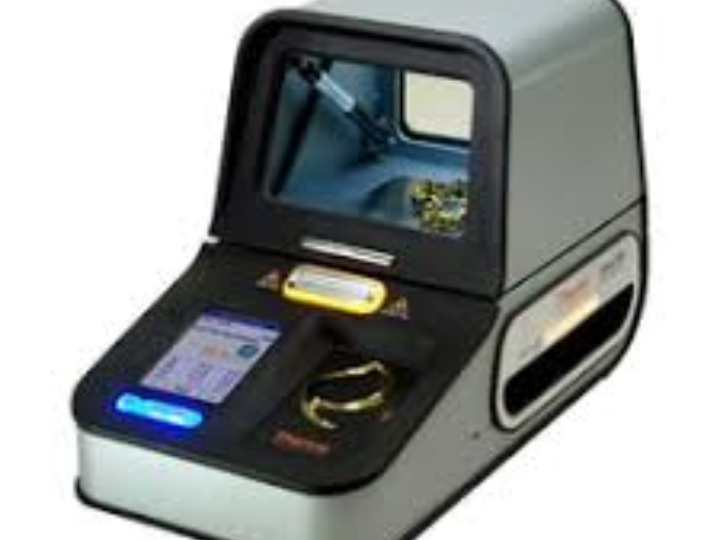
Over the past few months, I’ve heard the same story again and again from friends who work in jewelry stores, testers, buyers, and even instrument sales teams:
“I use the Niton DXL. The results are good—fast and accurate.
But… printing is such a hassle. I need to open my laptop, transfer the file, and only then I can print.”
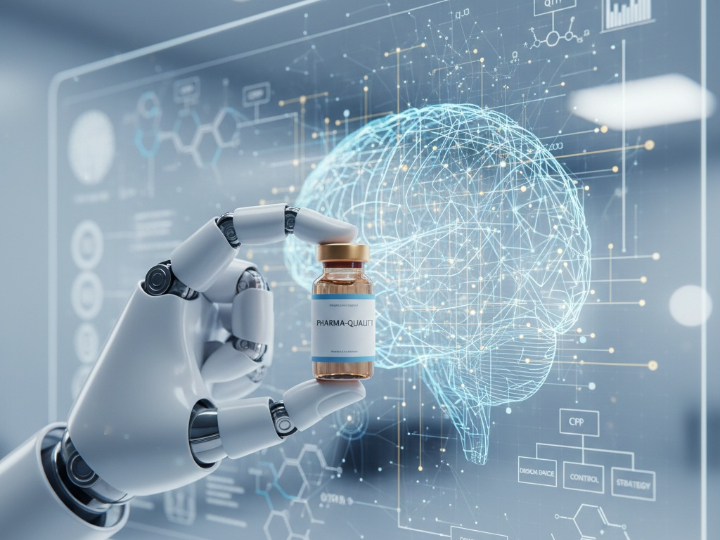
The pharmaceutical industry is a heavily regulated sector, where every product batch must guarantee consistent safety and efficacy. The Current Good Manufacturing Practice (cGMP) standard, or in Indonesia known as Cara Pembuatan Obat yang Baik (CPOB), is the operational foundation. However, in the Industry 4.0 era, demands have shifted from merely following procedures to ensuring quality through a deep understanding of the processes. This is the core of Quality by Design (QbD).
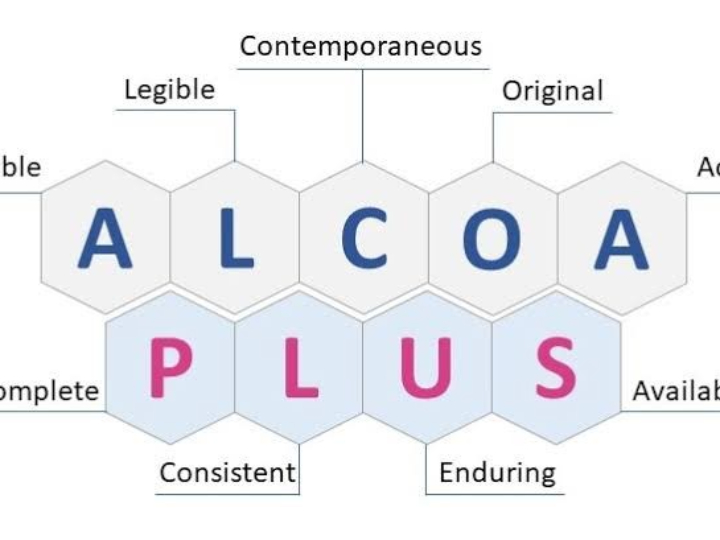
The pharmaceutical industry operates under exceptionally stringent regulatory requirements because the products it manufactures directly impact patient health and safety.
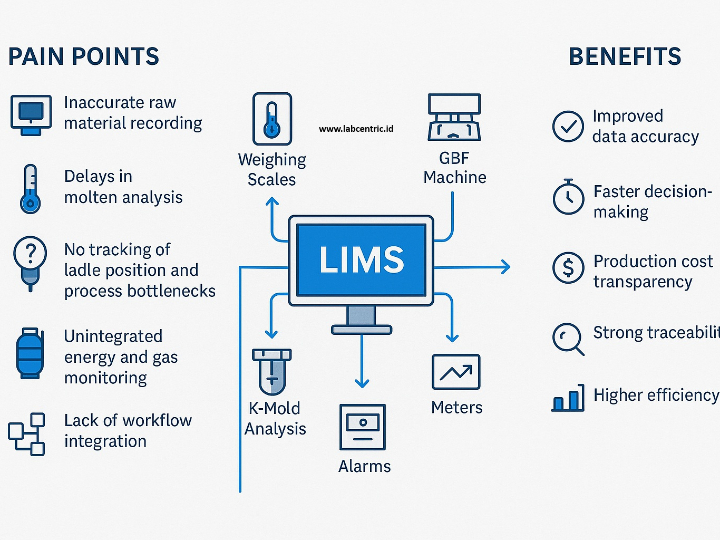
Many aluminium plants still rely on manual recording or disconnected systems, leading to fragmented data that is difficult to trust. A dedicated Laboratory Information Management System (LIMS) for aluminium plants is the answer to these challenges.
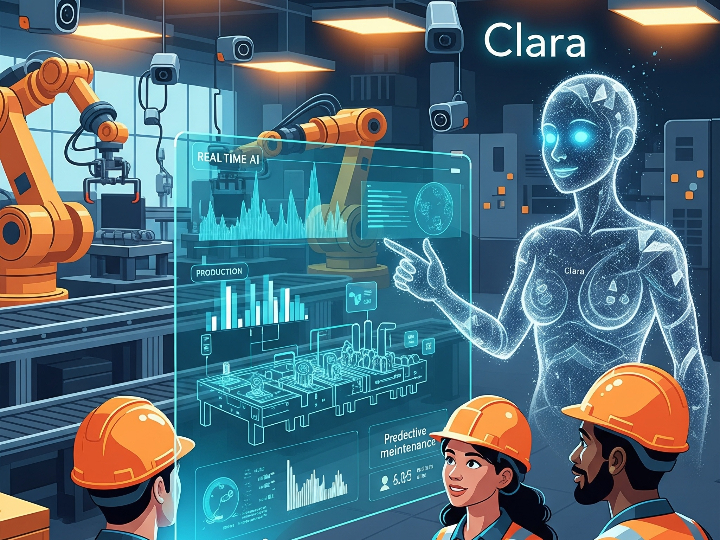
Labcentric introduces Clara, an intelligent AI integrated with Labcentric LIMS, designed to help laboratories, auditors, management, and R&D teams access information, analyze data, and support Quality by Design (QbD).

ISO 17025 compliance has become the benchmark for laboratory competence, ensuring that testing and calibration processes meet global standards. To achieve this, laboratories are turning to digital solutions such as Laboratory Information Management Systems or LIMS.

ISO IEC 17025 is the international standard that serves as the primary reference for laboratory competence. One of the most effective ways to comply with this standard is by implementing a Laboratory Information Management System or LIMS.
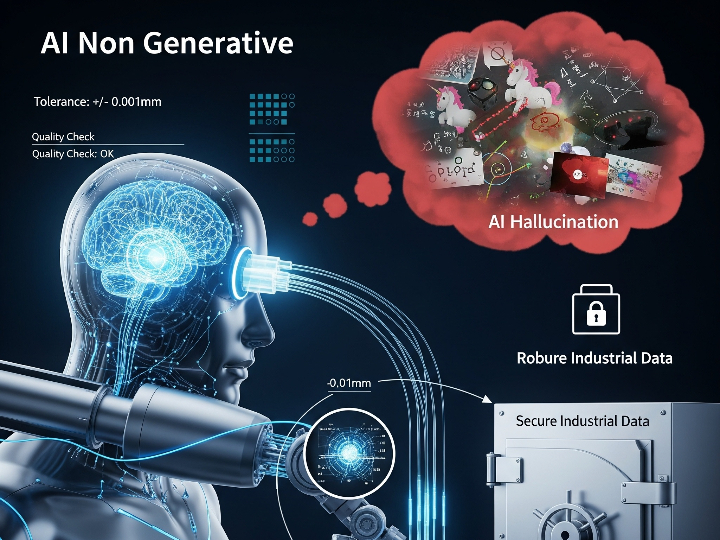
Artificial Intelligence (AI) that thinks like an analyst—not just records data like conventional Laboratory Information Management Systems (LIMS).
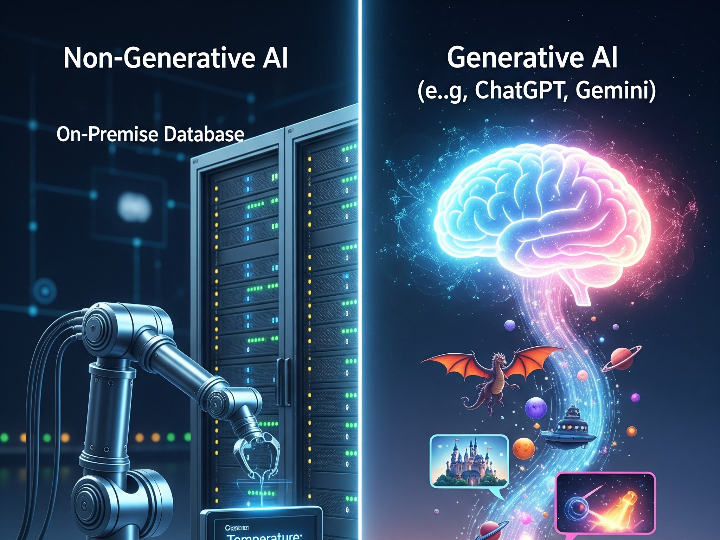
In recent years, Artificial Intelligence (AI) has become a hot topic across various industries. However, many companies in manufacturing and laboratory sectors remain hesitant—or even fearful—about adopting this technology. The primary concerns revolve around data security, the risk of AI "hallucinations", and the lack of transparency behind AI-generated answers.
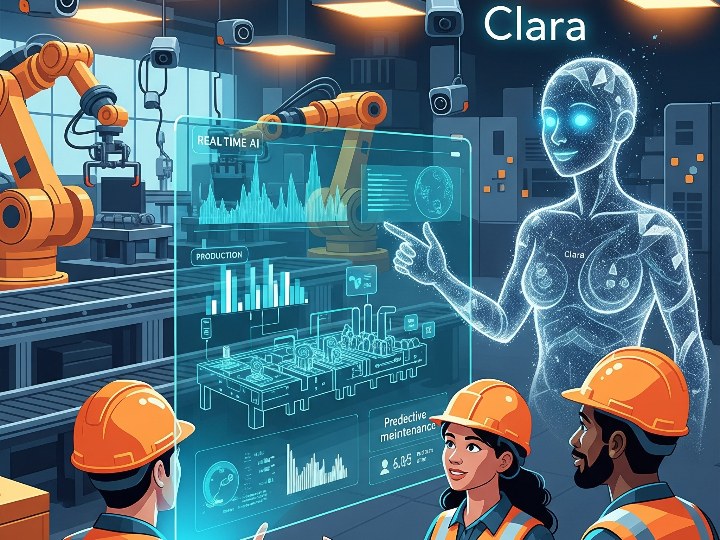
Clara is an AI industrial assistant that goes beyond being a smart chatbot — it can monitor the entire production process in real-time, act proactively, and integrate across systems.
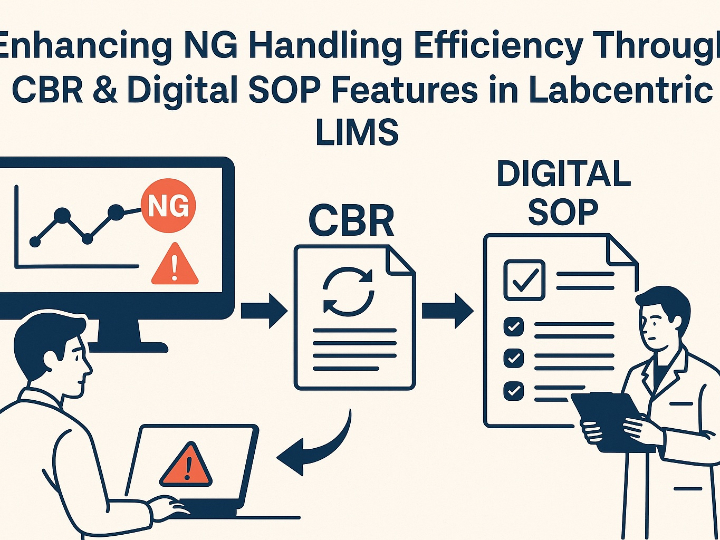
The real challenge lies not just in detecting NGs, but in how we respond—quickly, consistently, and based on proven knowledge from past experiences.
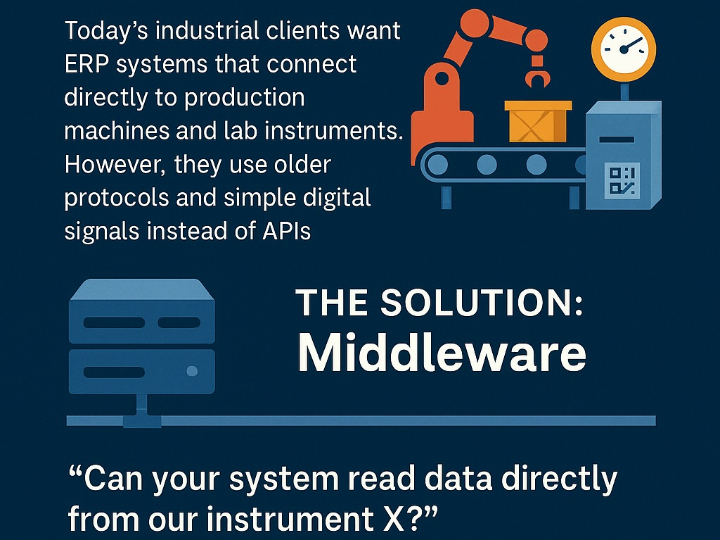
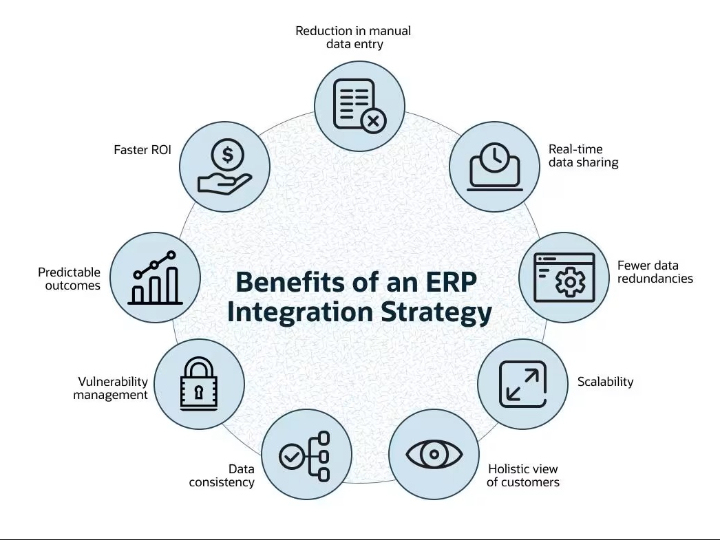
In the world of ERP projects—especially in the manufacturing sector—winning a tender is no longer just about price or interface design. Today’s industrial clients demand true end-to-end integration
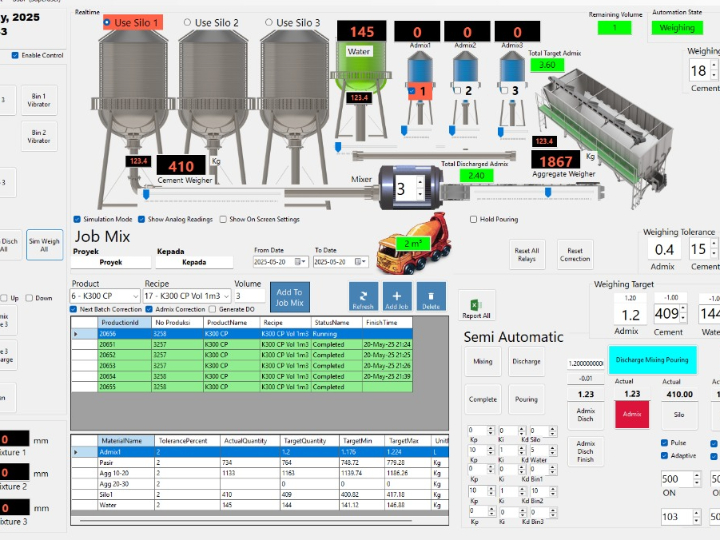
Many manufacturing companies and laboratories in Indonesia already have well-established internal IT systems — from ERP and custom-built LIMS to database-driven dashboards. However, the biggest challenge often arises when trying to connect physical instruments such as weighing scales, spectrometers, or furnaces so that they can automatically send data to digital systems.
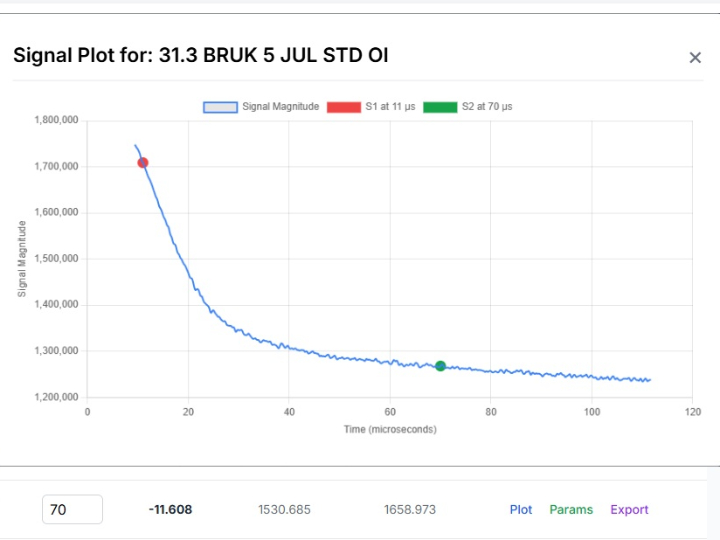
It still produces valid data, but the user interface is almost unusable. Rather than accept those limitations, I decided to build something better.
LIMS manages laboratory test results, while SCADA monitors and controls field production processes. Both hold critical data—but without integration, their strategic value is limited.
Implementing this standard often faces practical challenges—from manual data collection and difficulty tracking waste to the lack of systems that provide real-time visibility of environmental parameters.
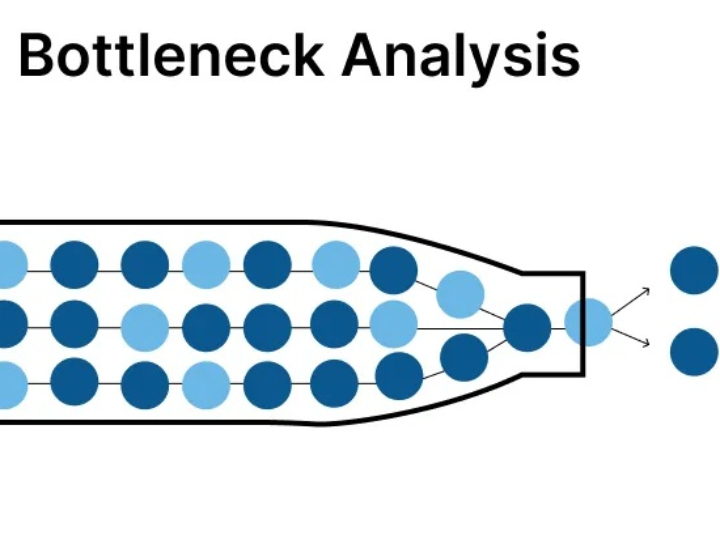
Bottlenecks aren’t just about broken machines or slow processes—they’re any point in your production chain that limits overall throughput.
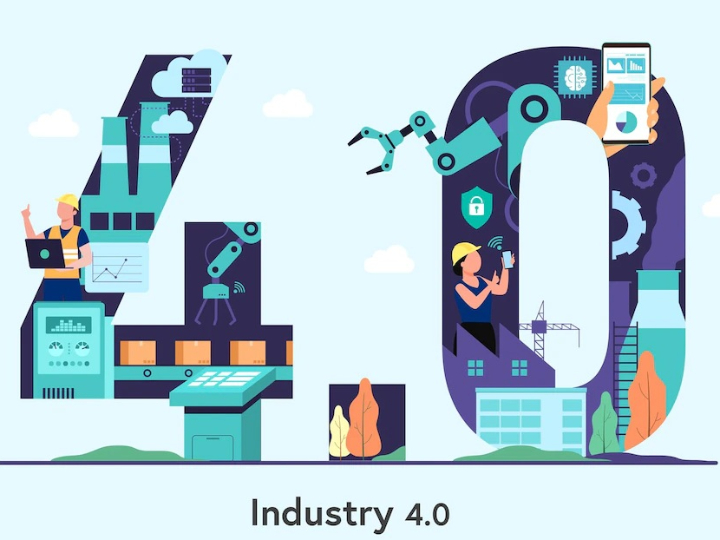
Many manufacturers have adopted smart technologies in production—such as SCADA systems, IoT devices, MES, and ERP platforms—laboratory operations in many companies still rely on manual data entry, spreadsheets, or disconnected software tools.
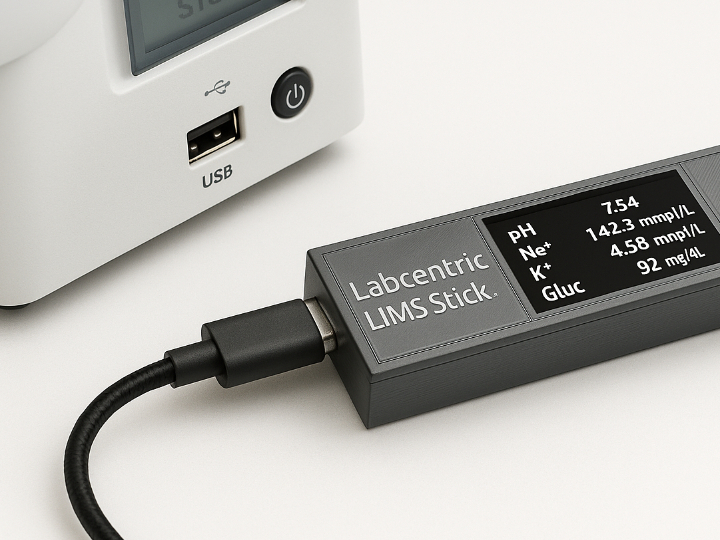
Many laboratory instruments, especially entry-level or older models, lack communication ports like RS232, Ethernet, or Wi-Fi. Instead, they are only equipped with USB ports used for exporting analysis results.
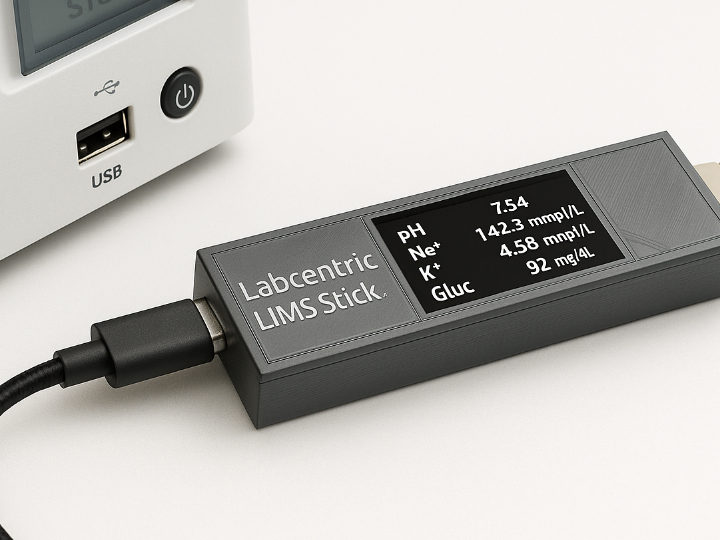
In many laboratories, especially in industries with strict data security protocols, IT policies prohibit certain instruments—particularly those still running legacy operating systems like Windows XP—from connecting directly to the network. The solution is…
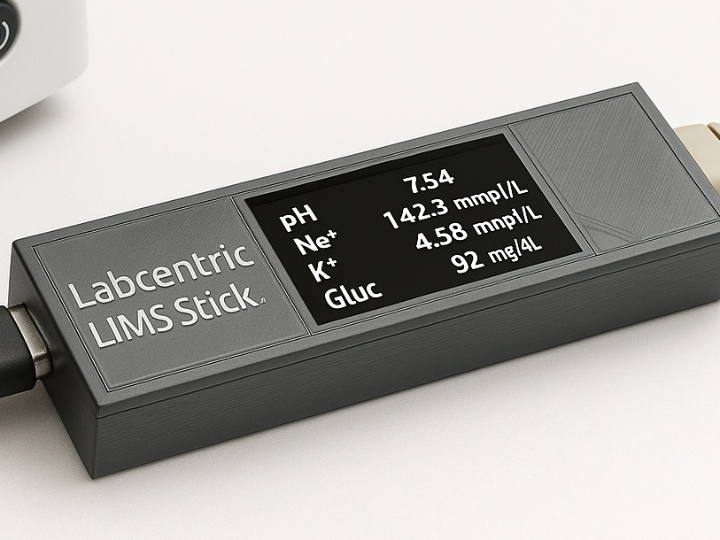
The LIMS Stick looks like a typical USB flash drive, but inside is a smart system capable of transmitting data directly to your server or LIMS via Wi-Fi or Ethernet.
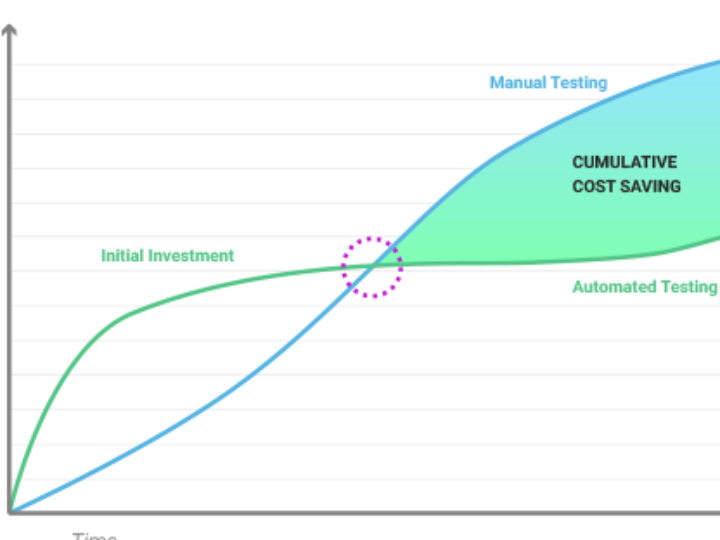
In the highly competitive automotive industry, efficiency and production speed are no longer advantages—they’re necessities. Quality Control (QC) laboratories play a vital role in maintaining the quality of automotive components.
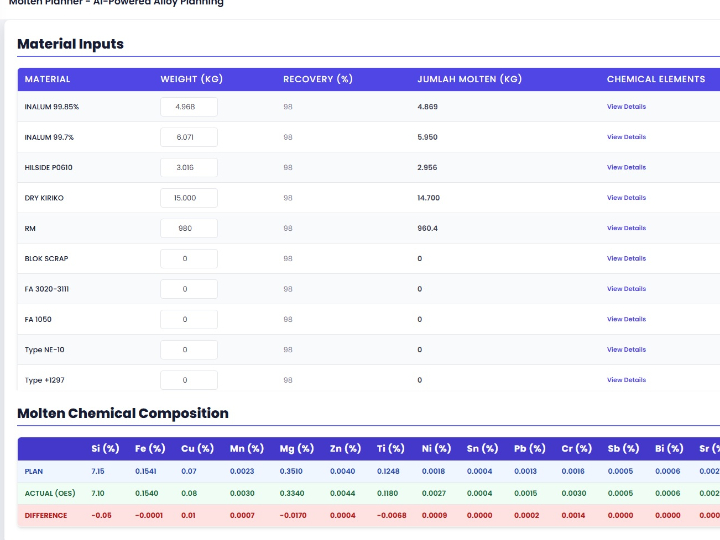
MoltenPlanner helps foundries predict molten composition before melting, using AI and production data. It supports CoA import, scale and barcode integration, and connects with OES/LIMS. The result: fewer trials, faster decisions, and lower material costs.
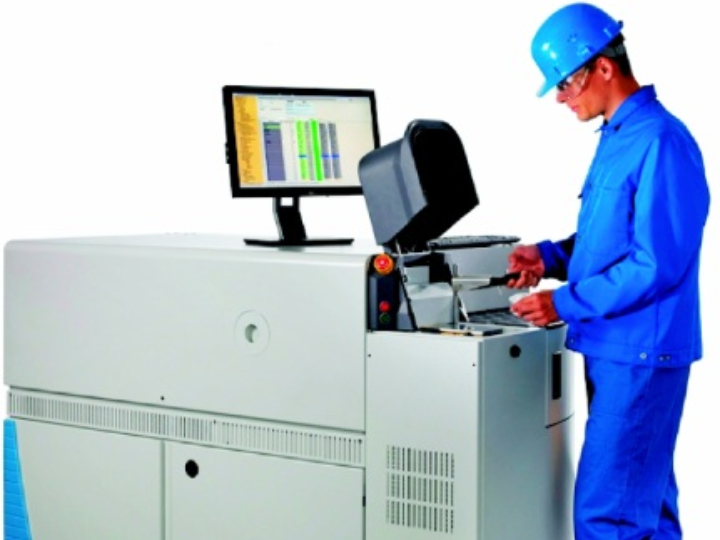
At the heart of every successful foundry and casting product lies one crucial element: material quality. The alloy metals used must meet strict specifications to ensure the strength, durability, and performance of the final product. However, ensuring consistent quality across the supply chain and production process is a complex challenge.
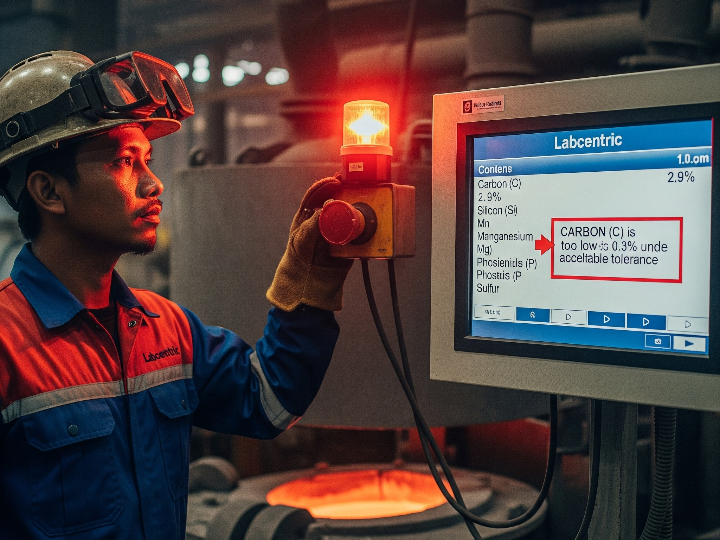
In the foundry and casting industry, quality is everything. A single defect in a casting component can lead to massive losses—from rework costs and production delays to product recalls that damage your brand reputation. The real question is: how can we detect potential defects early, even before they escalate?